Work Hours
All days 9 AM - 5 PM
How To Style A Console TableHow to Choose the Right Lock Jig for Your Job:

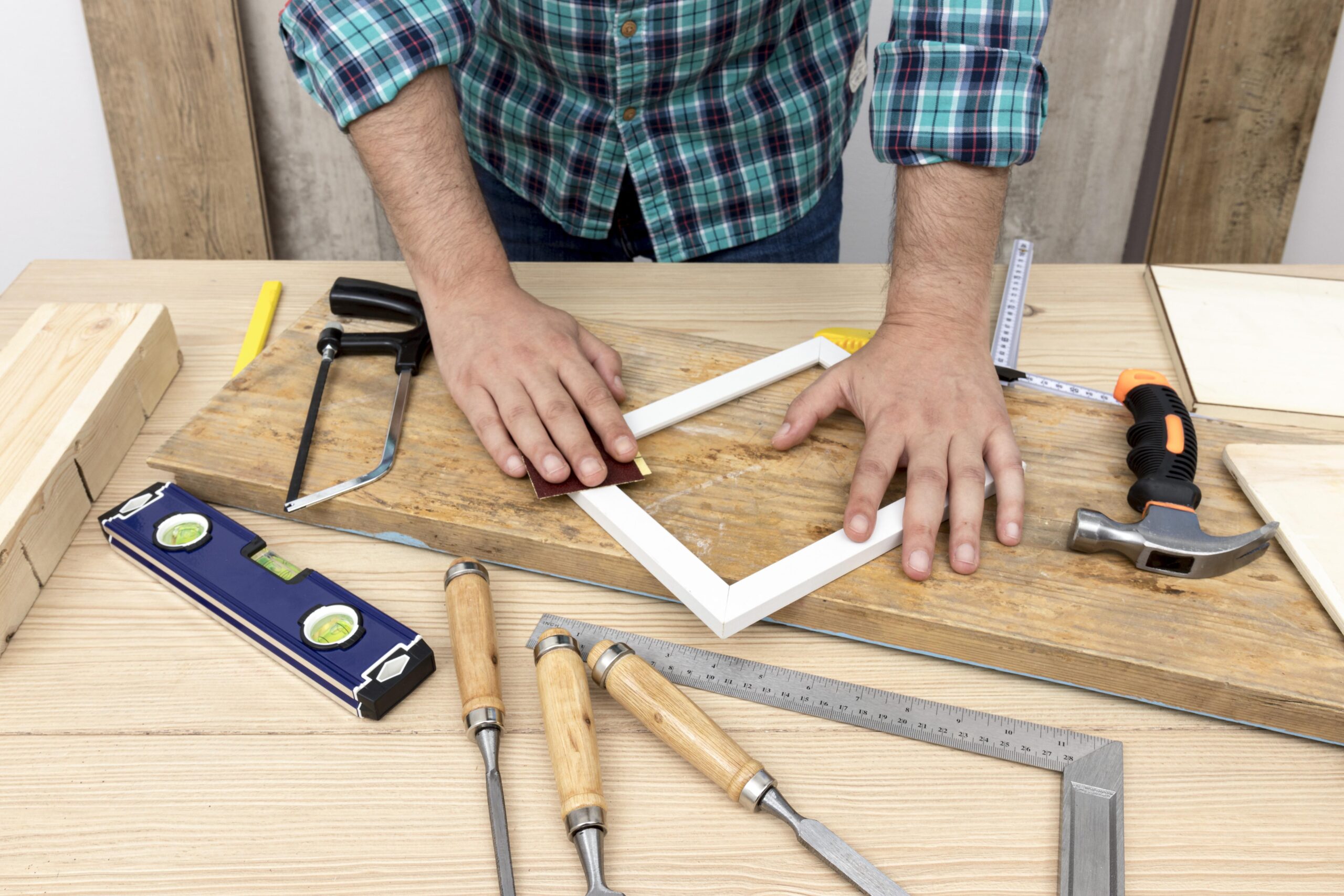
When it comes to precision and efficiency in locksmithing or lock installation tasks, having the right tools is essential. One of the most crucial tools in your arsenal is a reliable lock jig. A well-chosen lock jig can simplify your work, improve accuracy, and ensure a professional finish every time. In this blog, we’ll walk you through what a lock jig is, why it’s important, and how to select the right one for your specific job requirements.
What Is a Lock Jig?
A lock jig is a specialized tool designed to aid in the installation, repair, or rekeying of locks. It holds the lock in the proper position, ensuring that any adjustments or modifications are performed with precision. Whether you’re a professional locksmith or a DIY enthusiast, a lock jig can help reduce errors and speed up the process by providing a stable and consistent platform for your work.
Key Considerations When Choosing a Lock Jig
Selecting the right lock jig isn’t a one-size-fits-all decision. Consider the following factors to find the perfect match for your job:
1. Compatibility with Lock Types
Lock jigs come in various designs tailored for different lock mechanisms—deadbolts, knob locks, lever handles, and more. Identify the specific type of lock or locks you’ll be working on and ensure the jig is compatible. Some jigs offer adjustable features that accommodate multiple lock types, which can be advantageous if you handle a diverse range of jobs.
2. Material and Build Quality
Durability is key when it comes to any tool. Look for a lock jig constructed from high-quality materials, such as hardened steel or sturdy aluminum. A well-built jig not only lasts longer but also maintains its precision over time. Check for any warranties or manufacturer guarantees as a sign of quality and confidence in the product.
3. Adjustability and Versatility
Since lock sizes and installation scenarios can vary, an adjustable lock jig provides flexibility. Features like adjustable clamps, multiple mounting options, or interchangeable parts can make your jig more versatile. This adaptability is particularly beneficial for professionals who work with different lock models and installation environments.
4. Ease of Use
A lock jig should simplify your work, not complicate it. Look for designs that are intuitive and easy to set up. Ergonomic features, such as comfortable grips and straightforward adjustment mechanisms, can make your work faster and less strenuous, especially during repetitive tasks. Additionally, consider jigs that offer clear, user-friendly instructions or tutorials.
5. Portability and Storage
If you’re a mobile professional or frequently work at different job sites, a lightweight and portable lock jig is a significant advantage. Consider the size and weight of the jig, as well as how easily it can be disassembled or folded for transport. Compact designs that still offer robust functionality are ideal for on-the-go work.
6. Cost vs. Value
Budget is always a consideration. While you might be tempted to go for the cheapest option available, it’s important to balance cost with long-term value. A slightly more expensive, durable, and versatile lock jig can save you time and money in the long run by reducing repair errors and extending the lifespan of your tool.
7. Customer Reviews and Recommendations
Before making a final decision, do some research on user experiences. Customer reviews and professional recommendations can provide insights into the reliability and performance of a lock jig. Look for feedback regarding ease of use, durability, and overall satisfaction. Online forums, trade magazines, and locksmith associations are great resources for real-world advice.